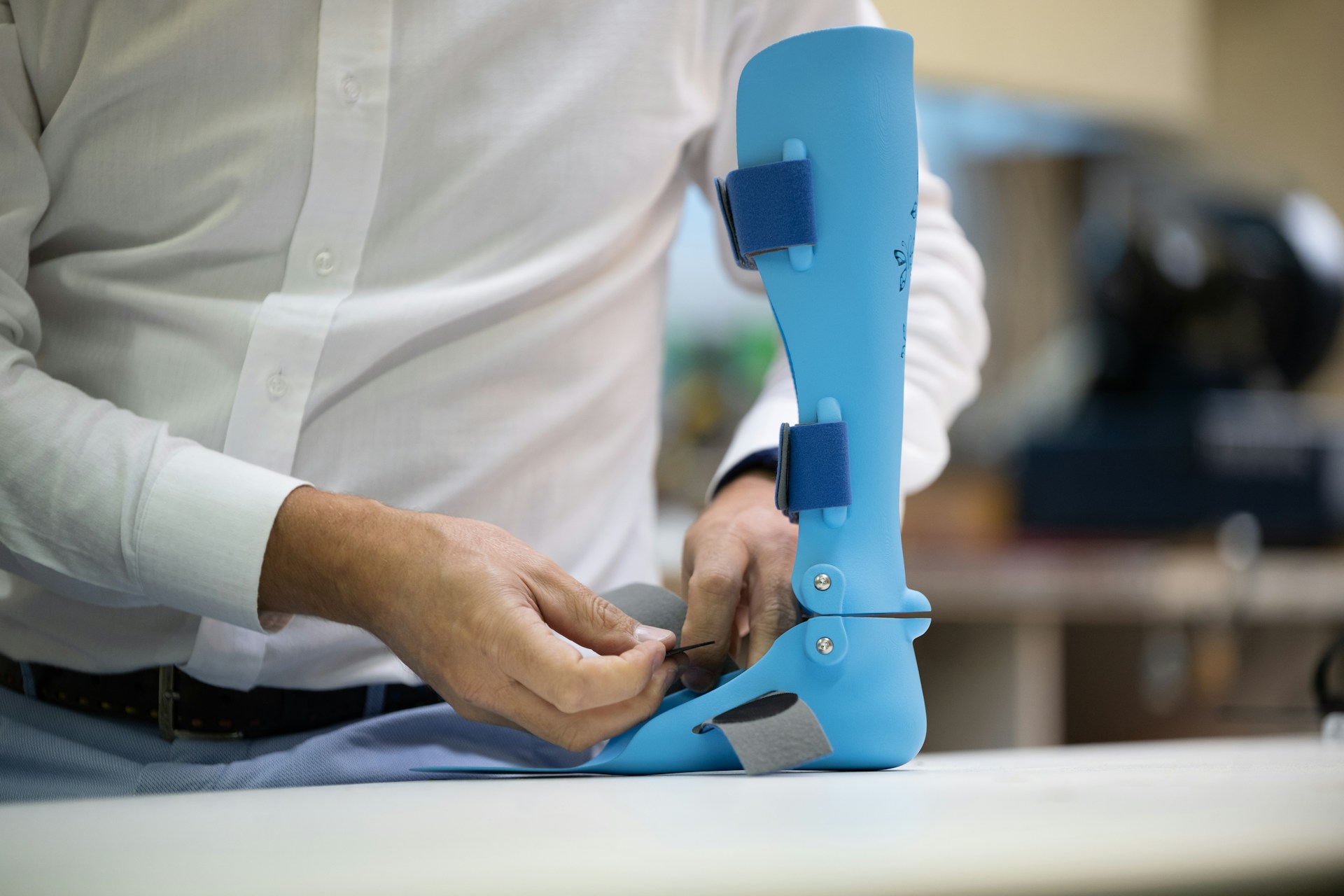
Modern orthopedic care is entering a powerful new era. Today’s specialists rely on tools that make every step of treatment more precise, safer, and more efficient. Because of more innovative planning systems, detailed imaging, and advanced surgical support, patients now experience better movement, shorter recovery times, and greater comfort. These improvements show how far joint care has come and how the evolution of orthopedic techniques continues to shape healthier futures.
How New Technology Reshaped Modern Joint Treatment
Orthopedic medicine has always focused on restoring movement, but the approach looks very different today. In the past, surgeons mainly relied on touch and experience to guide procedures. Now, digital tools provide information that strengthens precision in every part of care.
Advanced imaging provides specialists with a complete picture of bones and surrounding tissues. Instead of guessing about angles or hidden problem areas, surgeons can study detailed visuals before entering the operating room. Since planning has improved, procedures often move faster, which helps reduce strain on the body.
Navigation systems help guide tool placement and create a path that matches the patient’s anatomy. With more precise guidance, specialists can be more confident that they are working in the exact locations that need attention.
Why Accurate Placement Can Change Everything
Placement and alignment are central to successful orthopedic outcomes. Even minor shifts in angle or position can lead to uneven wear, discomfort, or limited movement. Because of this, accuracy is one of the most critical strengths of modern techniques.
Today’s tools help surgeons position implants with impressive consistency. For example, in knee and hip replacements, a difference of only a few degrees can affect how the joint moves. By following detailed digital plans, surgeons achieve results that feel more natural for patients.
This increased accuracy helps protect longevity, meaning implants can last longer and function better. Since fewer people need corrective procedures, families can feel more confident that their treatment will remain stable over time.
The Expanding Role of Robotic Support in Surgery
Robotic assistance continues to grow across orthopedic specialties. Although surgeons maintain complete control, robotic systems act as steady hands that support accuracy. Before the procedure starts, the surgeon creates a plan based on the patient’s scans. The robot follows that plan and guides tools along the intended path.
This support often leads to smaller incisions. With less tissue disruption, patients may experience less swelling and a smoother recovery. Robotic technology also helps preserve healthy bone, which strengthens long-term stability.
Many patients appreciate how predictable robotic procedures feel. Since the system follows a precise map, movement patterns improve, and joints tend to respond more naturally over time.
How Less Invasive Techniques Help Patients Recover Faster
Minimally invasive methods are now standard in many orthopedic procedures. Instead of large openings, surgeons work through a few tiny entry points. Using thin instruments and small cameras, they perform the same repairs but with far less disruption.
This approach often reduces bleeding and scarring. Because of this, the body does not need as much time to heal. Many people can walk sooner, and some even return home the same day. This improvement gives patients a sense of independence and confidence, especially when they were anxious before surgery.
These methods are a great example of how modern care balances power with gentleness. The results remain strong, but the experience feels easier from start to finish.
Customized Plans That Support Real-Life Results
One of the most substantial benefits of today’s orthopedic evolution is personalization. Instead of relying on a single plan for everyone, surgeons build treatment plans tailored to each patient’s goals, habits, and lifestyle.
For example, a young athlete with a torn ligament may need a plan that prepares them for quick directional changes. A retiree recovering from a hip replacement may focus more on walking comfortably and maintaining balance. Since technology provides so much detail, orthopedic teams can tailor every step of care.
This personalized approach helps patients stay motivated. When people understand that their plan reflects their real needs, they feel more empowered to follow instructions and remain committed to recovery.
Rehabilitation Designed for Long-Term Strength
Recovery does not end in the operating room. Physical therapy remains a central part of orthopedic success. Fortunately, rehab has grown just as much as surgery.
Modern therapy includes motion tracking, strength analysis, and digital tools that record progress. Wearable devices help therapists understand how patients move throughout the day. As a result, routines can change quickly based on real performance, not guesswork.
Technology also helps patients stay involved. A visual progress chart or mobility score can inspire someone to keep trying, especially during the weeks that feel most challenging. This support helps people return to work, family life, and daily routines with better strength and stability.
What Future Joint Treatment May Look Like
Orthopedic care remains one of the most exciting fields in medicine. As researchers continue exploring new technology, several developments may shape the future.
Artificial intelligence may help predict the best treatment option for each patient. This could reduce complications and improve long-term outcomes. Smart implants with built-in sensors may track movement and provide surgeons with valuable data.
Another promising direction is regenerative medicine. Scientists are studying ways to repair tissue using the body’s own cells. If successful, these breakthroughs could limit the need for extensive procedures and support more natural healing.
Why These Advancements Matter for Patients and Families
The evolution of orthopedic techniques brings tangible benefits to daily life. People want care that feels safe, predictable, and supportive. Modern tools help provide that level of comfort. Since surgeries have become more accurate, patients can expect lasting results. Since recovery times have shortened, families face less stress and disruption. And since planning is more detailed, patients can make decisions with greater trust. Orthopedic care will continue to move forward, but its mission remains simple. The goal is to help people move without pain and live life with freedom and confidence.